
Both moments were risky. Only one was the driver's doing.
A G-force trigger logs both brakes the same way. Peregrine keeps two readings apart: how dangerous the moment was, and how much of it the driver caused.
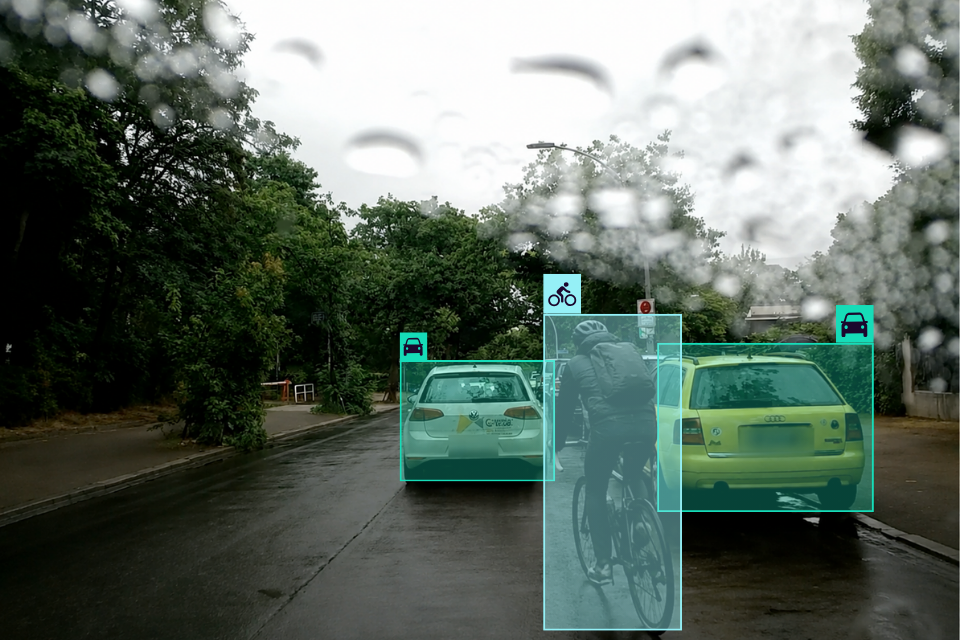
14:02
Braked hard behind a cyclist
Reduced visibility, a wet surface and a vulnerable road user entering the lane. A dangerous moment, and the driver read it early.
The conditions created the risk. Do not penalise the driver.
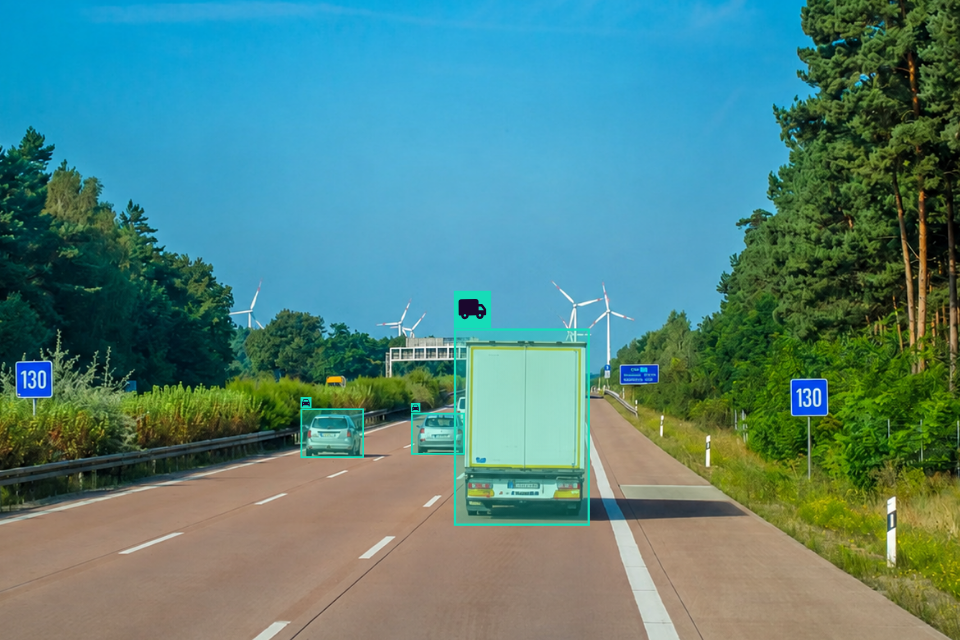
* Illustrative example. The risk score describes how dangerous the moment was; driver attribution describes how much of it the driver caused. Full notes.
Both readings fuse
Seeing it run is quicker than reading about it. We will walk you through real trips, scored the way they would be in your platform.
Book a demoSee it. Understand it. Act on it, inside your product
Peregrine delivers a structured, anonymised event into your existing backend, user experience and customer workflows.
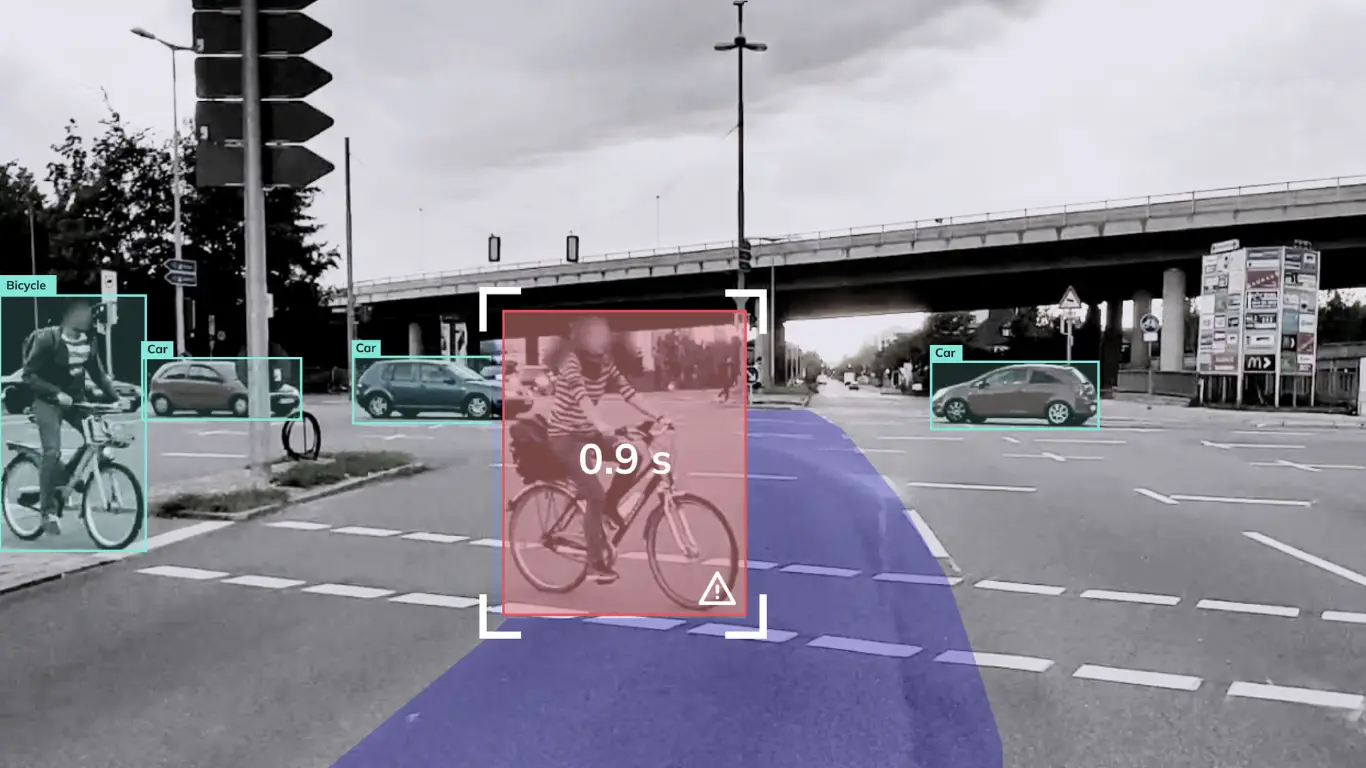
Why it triggered
Conditions read on the device
The same event as the motorway brake above, as your customer would see it.
We provide
- Structured, scored events
- Video and metadata, anonymised before storage
- Real-time and historical access
You build
- Longitudinal tracking
- Driver and fleet profiles
- Analytics and dashboards, under your brand
Your integration team can read the endpoints today. Full documentation is public, no account needed.
Read the API documentationFlexible deployment
Upgrade the intelligence. Keep the hardware.
Deploy on supported smartphones, dashcams and embedded camera systems without forcing customers into a new hardware or platform strategy.
Ready to deploy
Available nowMultiple viewpoints
Multi-camera systems
Front, side, rear and cabin views resolved into one reading of the situation, so broader coverage does not mean more video for somebody to watch.
- Best fitTrucks, buses and complex fleet operations
- ConnectsUp to five additional cameras on a single device
- DeliversPrioritised events with evidence from the view that matters
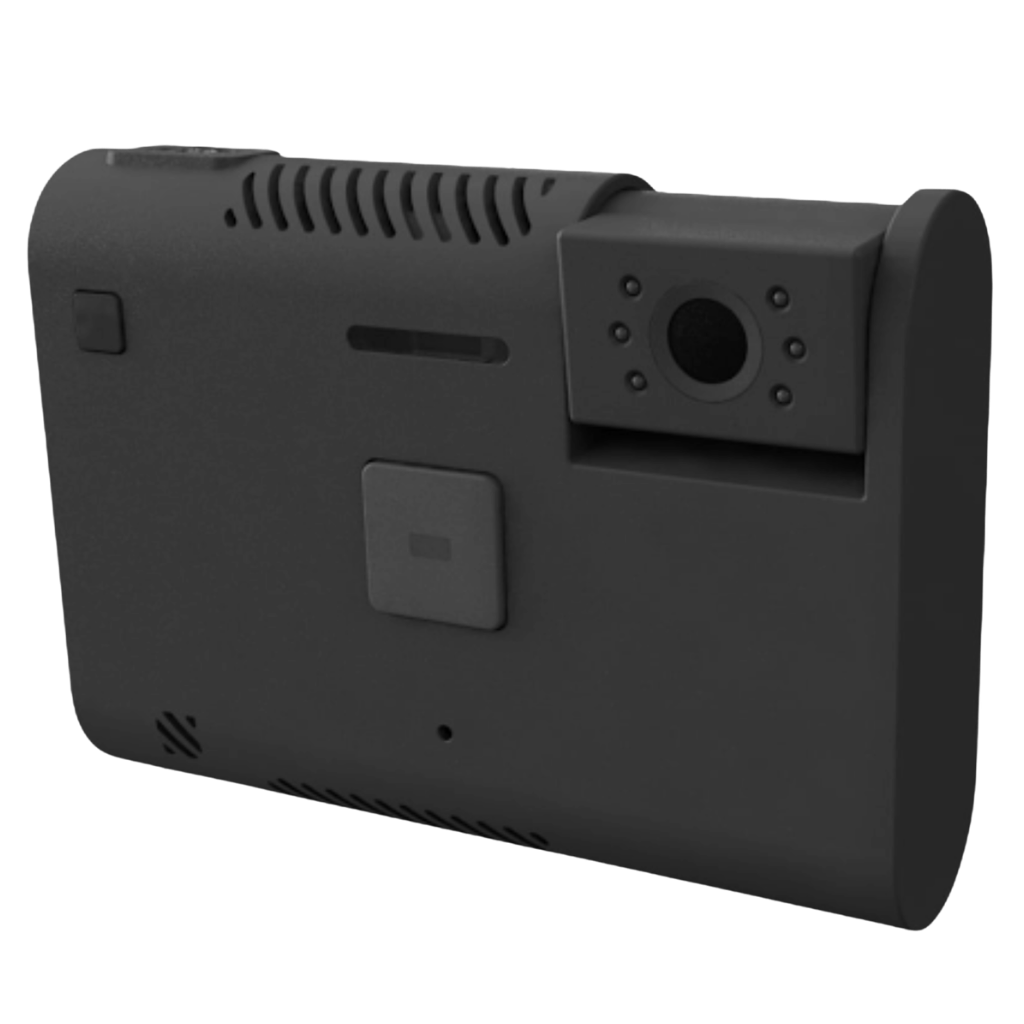
- DevicesMiTAC K265 · DVR and edge gateway setups
Road and driver
Connected dual-facing cameras
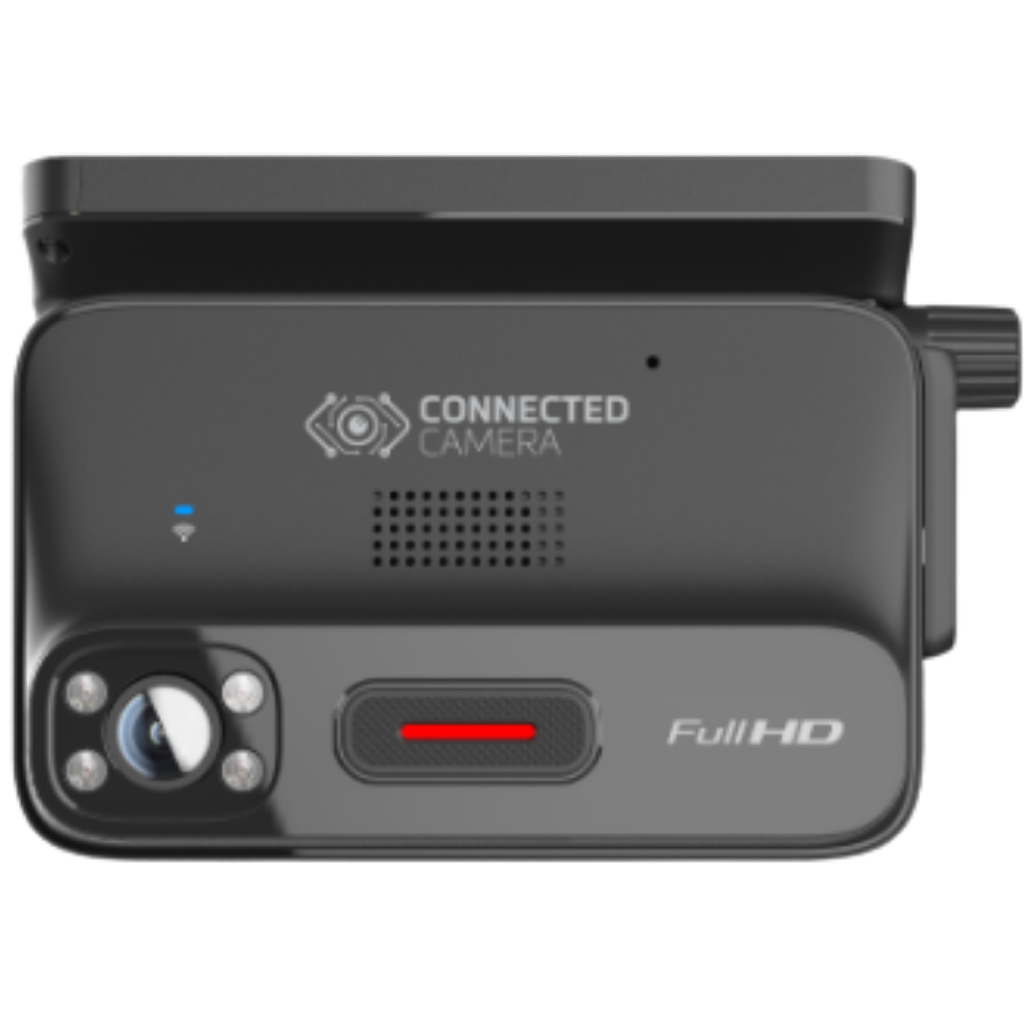
One device watching the road and the cabin, so an event carries both halves of the story into the telematics product your customers use.
- Best fitVans, delivery fleets and commercial vehicles
- UnderstandsRoad context, driver state, and how the two relate
- DeliversIn-cab signalling and structured events over the API
- DevicesMiTAC K265 · Peregrine One · MiTAC K220 · your own device on request
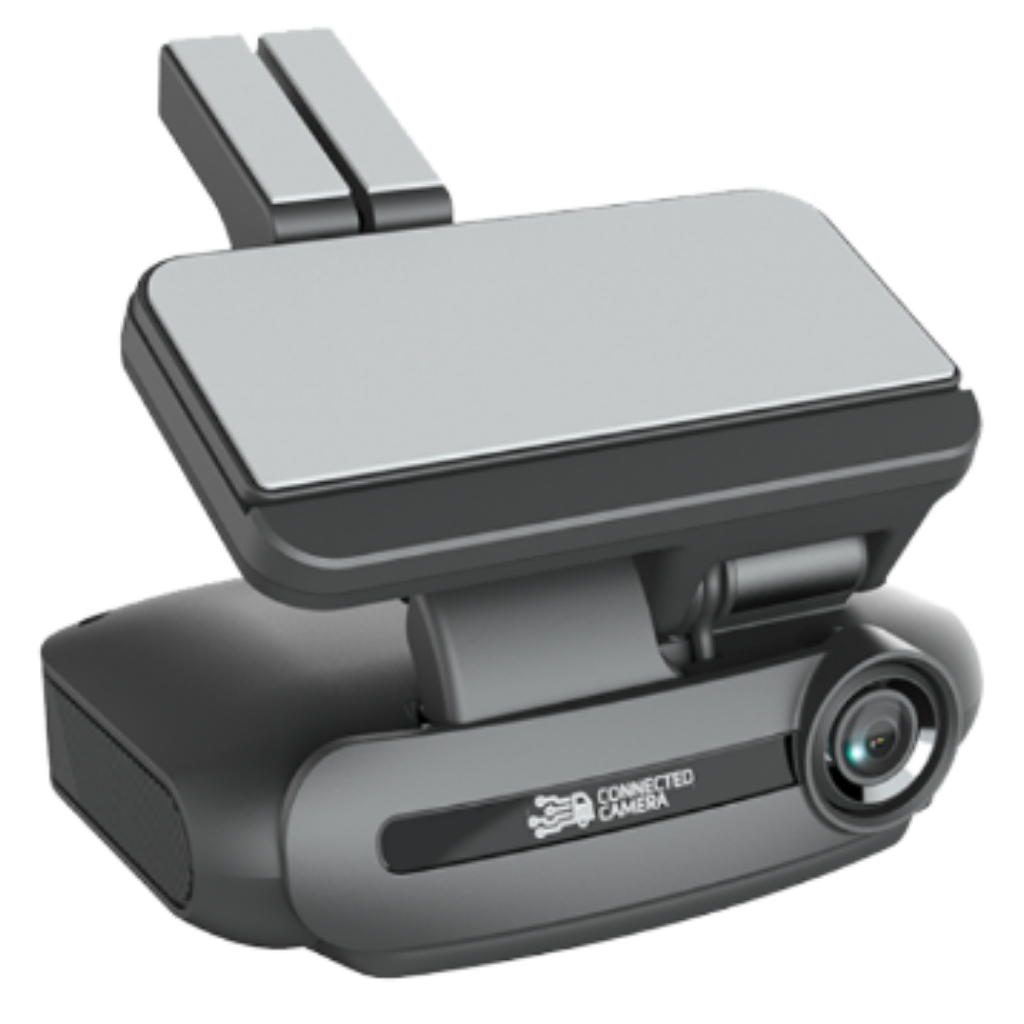
- We recommendThe K265 above also runs dual-facing, and it is the one we would put forward: better camera, more compute, more headroom.
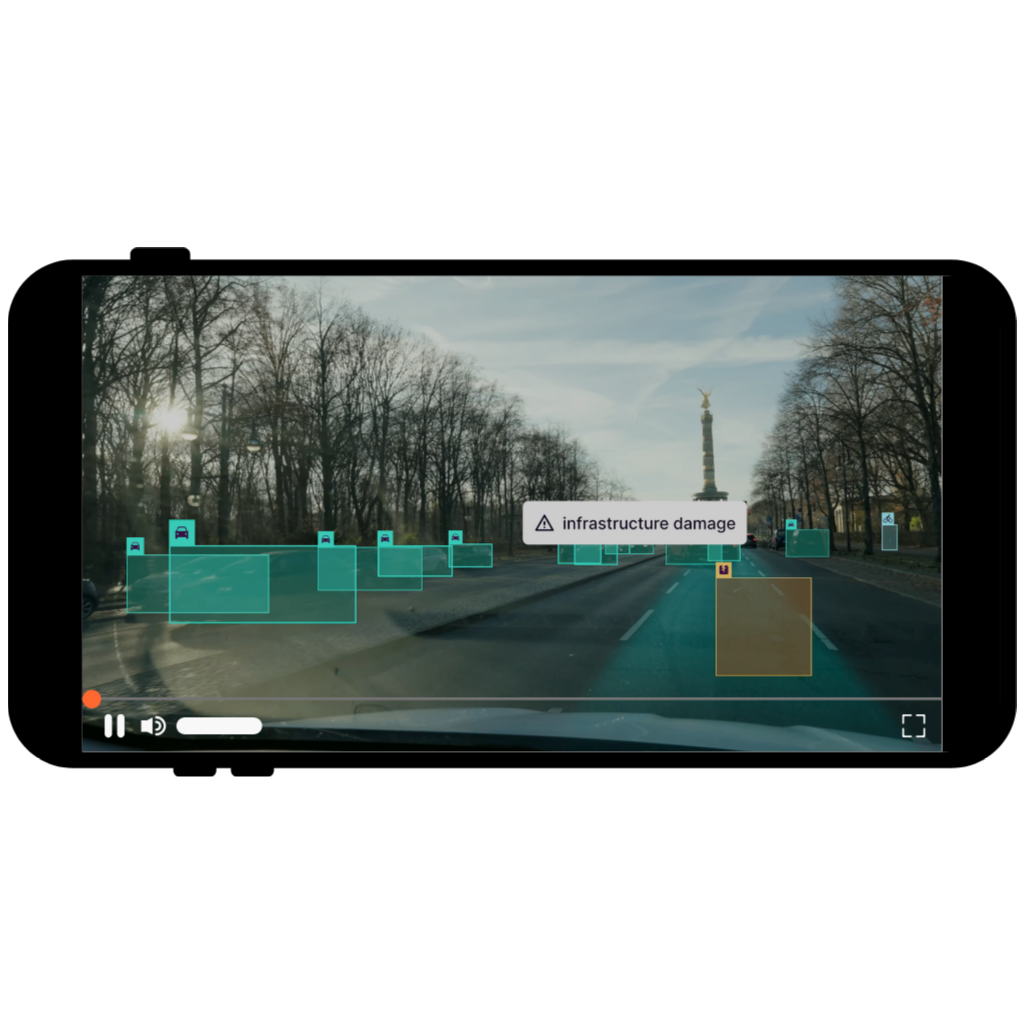
Mobile and compact devices
Road intelligence on smartphones and lightweight Android cameras. The quickest way to run a pilot, and the route for passenger vehicles and cost-sensitive programmes.
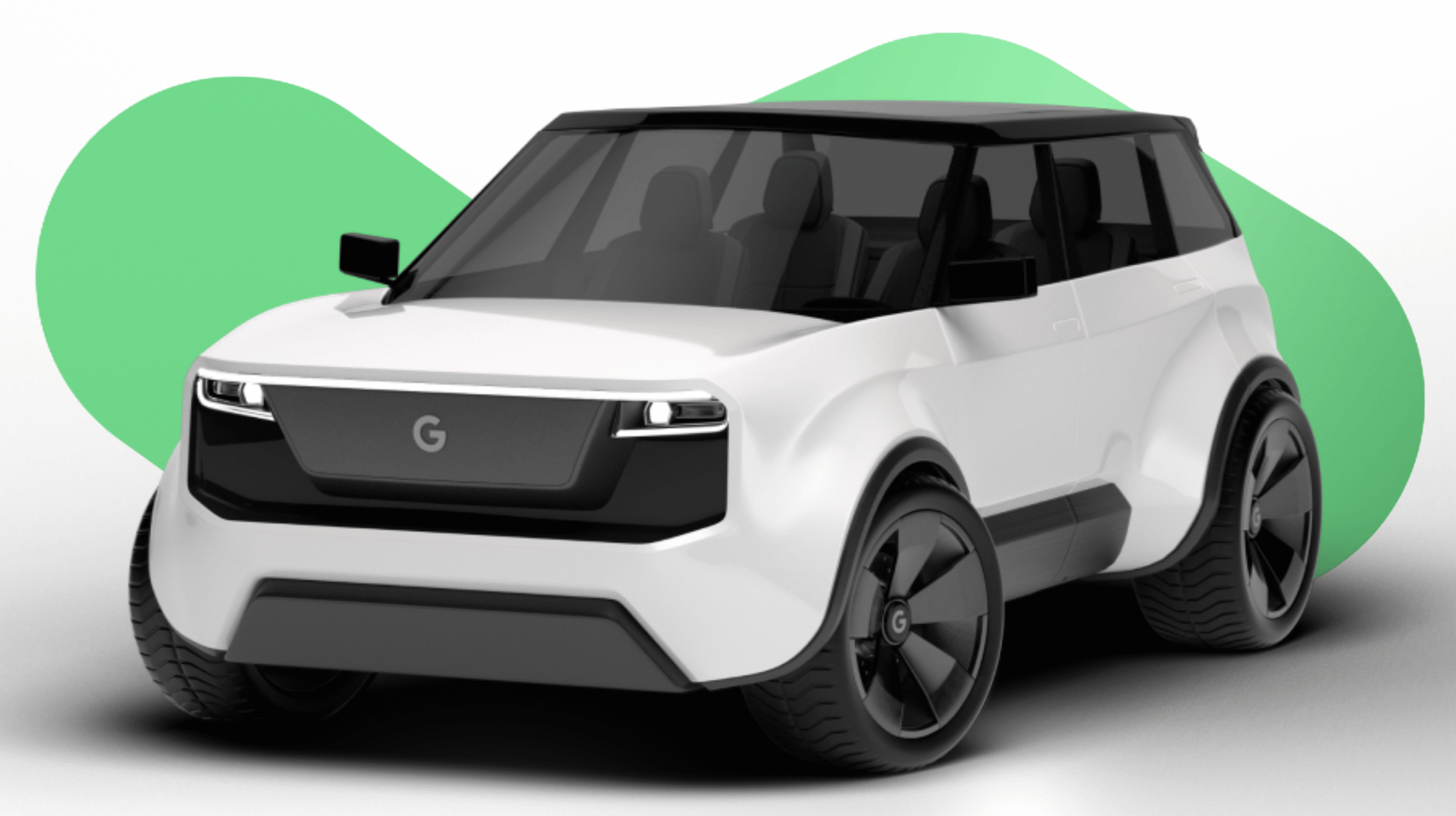
Android Automotive
Android Automotive runs in the car itself, so there is no aftermarket device to fit. We reach the vehicle through the operating system rather than through a direct integration with the manufacturer.
Already have a camera or compute platform in mind?
Tell us the chipset, operating system and camera configuration, and we will map the most direct route to deployment.
Hear from the teams building on Peregrine
Telematics, insurance, automotive engineering and research partners explain what Peregrine makes possible in real products and services.
 Bridgestone · September 2025
"This is a major step in our mission to make mobility safer and smarter."
Jan-Maarten de Vries, President, Fleet Management Solutions, Bridgestone
Webfleet Video ships Peregrine perception as a paid upgrade, retrofitted to commercial vehicles already in service over the air.
Read the announcement Linqo GmbH · May 2025
"Our customers want systems that just work—and work together."
Max Donders, Managing Director, Linqo
Peregrine Vision runs on the dual-camera dashcams Linqo distributes, with alerts landing in the dashboard fleet managers already use.
Read the announcement Allianz · published case study
"With the help of Peregrine, we are able to solve these problems."
Stefan Sellschopp, Allianz Partners, Munich
Allianz approached Peregrine because autonomous driving was too new to price with confidence. The work was about reading traffic situations, detecting how they change, and judging the risk that follows.
Read the case study Porsche Engineering
Porsche Engineering runs Peregrine object detection on a smartphone inside its ComBox app to check what the vehicle's own traffic sign recognition reports. Where the two disagree, the phone photographs the sign and tells the data logger to capture the vehicle data. Porsche says the setup was tested during development of the new Macan.
Read it on Porsche Engineering